Saturday, January 30, 2016

Calming PMS and PMDD Without Medication


Premenstrual Syndrome (PMS) or it's uglier sister Premenstrual Dysphoric Disorder (PMDD) have been the brunt of many jokes, but to the woman suffering it can significantly reduce the quality of life.  

Doctors haven't traditionally had a lot of help for these women.  The most common treatments are NSAIDS such as ibuprofen, birth control pills, and SSRIs such as Prozac.  These often help the symptoms but don't deal with the underlying causes.

What are the causes of PMS?  The main cause is hormonal imbalance, but what causes hormonal imbalances?

The most common cause is stress--either physical or emotional stress.  Progesterone is the precursor of testosterone and estrogen, but it is also the precursor of cortisol, the body's stress hormone.  When we are under stress the metabolism goes preferentially to make cortisol, so the progesterone goes higher to make up the difference, and over time progesterone levels drop.  Both excess and deficiency of progesterone can cause certain types of premenstrual symptoms.  In our office we use a 28 day saliva test to determine the estrogen and progesterone levels throughout the cycle, since it is always changing.  It is difficult to obtain an accurate picture of hormone levels with one blood test or urine test when a woman is cycling and hormones are changing daily.

We are all familiar with emotional stress.  A lot of people don't recognize what their physical stressors are.   Some of these stressors can include:

  • Poor diet--excess sugar and fat combined, excess chemical food additives
  • Vitamin/mineral deficiencies
  • Frequent infections
  • Chronic illness
  • Over-exercise
  • Lack of adequate sleep
  • "Burning the candle at both ends."
  • Low blood sugar 
  • Endogenous and environmental toxins
  • Neurotransmitter imbalance and/or mood disorders
  • Etc.
Some of the treatments we use at Diamond Springs Wellness Center:

Calcium--Calcium has been used since the 1930s for PMS.  Multiple trials have shown Calcium supplementation to reduce total PMS related symptoms to placebo.  One study out of Columbia found 48% reduction after calcium supplementation for three consecutive menstrual cycles.  Recommend 500 mg to 800 mg/day.  Preferably don't use Calcium Carbonate--most other forms work well.

Chaste Tree Berry (Vitex Agnus Castus)--used and approved in Germany for PMS and breast pain, as studies have consistently shown improvement in symptoms over placebo.  One study with fluoxetine (Prozac) showed no significant difference between the two.  Doses--20-40 mg/day.

Omega-3 Fatty Acids--studies shows improvement about placebo.  May reduce psychiatric symptoms along with bloating, headache and breast tenderness.  Doses--at least 2000 mg/day.

B-6, 5-MTHF (methylfolate), Methylcobalamine (activated B-12)--support the maintenance and balance of serotonin and dopamine.  Often helps menstrual headache. Doses B6 50-100 mg, folate and B-12 1000-5000 mcg (some women feel bad on higher doses, some need the higher doses to notice an effect).

Magnesium (250-600 mg), Vitamin E (400-800 mg) and Gamma Linoleic Acid (GLA) such as Evening Primrose Oil or Borage Oil (1000-2000 mg)--shown to lower swelling, bloating, breast tenderness and painful cramping before and/or during period.

5-HTP--the immediate precursor to serotonin.

GABA--levels tend to be low during premenstrual time. Dose 500-1500 mg

Ginger--prevents the production of prostaglandins.  Studies show significant differences in severity of mood, physical and behavioral symptoms compared to placebo after 3 months.  Dose 250 mg twice a day.

Chamomille--reduces psychological symptoms.  Dose 100 mg.

Chromium--study on PMDD used chromium 400 mcg/day + placebo versus chromium + sertraline (Zoloft), administered from midcycle to onset of menses.  Chromium alone was associated with marked clinical improvement.  Chromium plus antidepressant showed greater improvement than either one alone.

Lavender oil aromatherapy--can decrease depression and PMS brain fog.

Curcumin--reduces inflammation caused by menstrual changes.

Acupuncture--physical symptoms such as headache, cramps, backache, cold sweats, hot flashes, breast pain, swelling of hands and feet, bloating and abdominal pain.

Exercise--can improve hormonal balance, fatigue, impaired concentration and confusion, and most premenstrual symptoms.

Diet--reduce simple carbohydrates (sugar and flour products), reduce processed foods with lot of chemicals, stop dairy unless organic because of high levels of hormones; increase vegetables and fruits, small amount of protein at most meals, good fats, eating every 2-3 hours during premenstrual time.

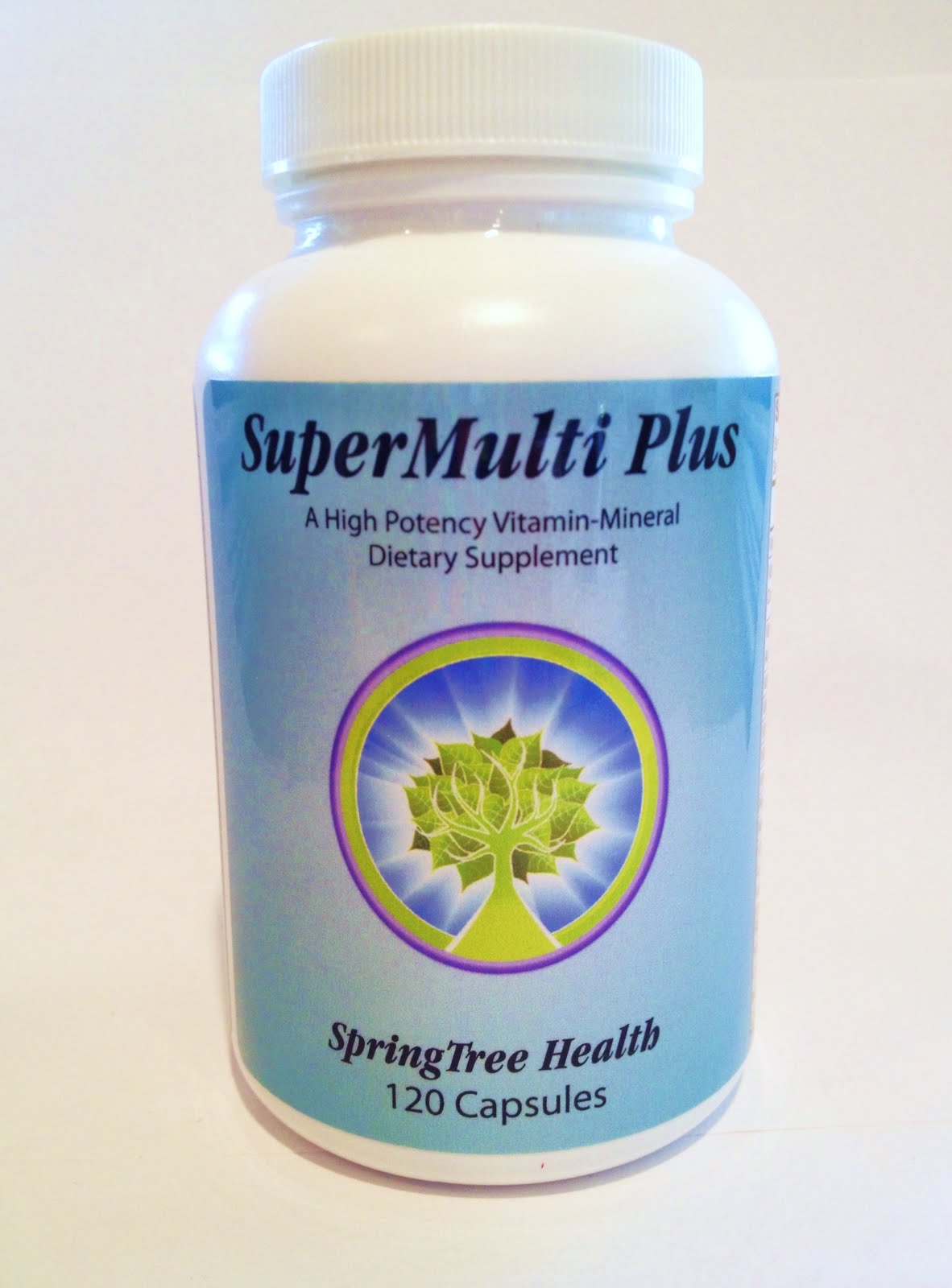
In general we always encourage improved diet, exercise and stress reduction techniques.  We almost always recommend SpringTree SuperMulti Plus because it has good levels of calcium, magnesium, B-vitamins with the methylated folate and B-12, trace minerals including chromium and zinc, etc.  We will often add Chaste Tree Berry or other herbs, and often recommend a few visits with our acupuncturist.  If there are signs of inflammation, we might recommend SpringTree Inflamasol, which has helped some women improve when other treatments didn't work.  It is rare that women don't improve on one or more of these therapies, which work on improving the cause rather than just treat the symptoms.

If we don't get the desired results with natural treatments we may consider using bio-identical hormones if the testing shows a deficiency.  I don't prescribe these without a 28 day test because we don't know if levels are too high or too low.  A few women react negatively to even bio-identical hormones, so we keep close tract until we know there is improvement.

Check with your physician to see if any of the above treatments might assist with your symptoms.

Until we meet again,
Dr. Judi


Sunday, January 3, 2016

Mental Illness and ADHD Helped with Vitamins


A growing body of evidence links dietary choices with brain health and risk of psychiatric illnesses.  Subclinical vitamin or mineral deficiencies can cause or exacerbate ADHD and psychiatric symptoms.  People with emotional illnesses often don't eat well, creating further problems.  Genetic differences may compromise essential nutrient pathways, affecting neurotransmitter production and brain health.

Vitamins are dietary components other than carbohydrates, fats, minerals, and proteins that are necessary for life. A few of the effects of vitamins on brain health include:

B vitamins are required for proper functioning of the methylation cycle, monoamine production, DNA synthesis, neurotransmitter synthesis, and maintenance of phospholipids such as myelin.

Fat-soluble vitamins A, D, and E play important roles in genetic transcription, antioxidant recycling, and inflammatory regulation in the brain.

Zinc plays a part in modulating the brain and body's response to stress. The highest amount of zinc in the body is found in our brains, particularly in the hippocampus.  Zinc deficiency can lead to symptoms of depression, ADHD, difficulties with learning and memory, seizures, aggression, eating disorders and violence.

Lower magnesium levels have been correlated with lower serotonin levels in the brain, and have been associated with depression, behavior and personality changes, apathy, irritability and anxiety.

Depression is a classic early symptoms of vitamin C deficiency, necessary for the conversion of dopamine to norepinephrine, among other things.  Symptoms include depression, hypochondriasis and low motivation.

Genetic mutations such as MTHFR, MAO-A, and COMT have effects on nutrients which affect the formation and breakdown of neurotransmitters, which can have an effect on mental health.

Much research is being done on the use of high-potency vitamin-minerals in ADHD and mental illness with positive results. 

As we treat ADHD, mental and emotional illness, a healthy diet comes first, along with SpringTree SuperMulti Plus, up to 6 capsules a day, and fish oil, 2,000-4,000 mg/day, depending on lab results.  If there are certain genetic mutations we may add SpringTree Methylation Factors and increased levels of niacin and glutathione.  There are high levels of Vitamin D3 and Zinc in the SuperMulti Plus, however, we may add extra if there is evidence of lower levels for a month or two.

Added with emotional work, changing and/or decreasing prescription medications, the nutritional factors can make a huge difference with our patients.

*Make sure and check with your doctor before making any changes if you are on psychiatric medications.
*These statements have not been evaluated or approved by the FDA.

Until we meet again,
Dr. Judi

Saturday, May 16, 2015

Don’t Miss this Important Disovery! AMPK Activators: Anti-Aging, Anti-Diabetic, Anti-Obesity and Anti-Fatigue!


AMPK (adenosine monophosphate-activated protein kinase) is an enzyme that regulates energy metabolism.  When the cells sense energy depletion, AMPK is activated to stimulate energy production and limit energy utilization.  Found in every cell, AMPK promotes longevity factors that have been shown to extend life and “turn off” many damaging effects of aging.  AMPK activity declines in aging, excess calorie consumption, and/or low levels of physical activity, increasing the risk of obesity, diabetes, fatigue, and the chronic diseases of aging.

AMPK enhances energy metabolism while suppressing inflammatory responses. It can inhibit the oxidative stresses which are involved in metabolic disorders and the aging process, improve stress resistance and extend the lifespan of cells while reducing inflammation.

AMPK increases glucose uptake in the cells, reducing insulin sensitivity.  It helps control appetite and energy expenditure.  Current evidence indicates that AMPK activation may reduce risk for atherosclerosis, heart attack, and stroke; help manage congestive heart failure; ameliorate metabolic syndrome, reduce risk for diabetes type 2, and improve glycemic control in diabetics; reduce risk of weight gain and improve weight loss; decrease risk for a number of common cancers while improving prognosis in cancer therapy; decrease risk for dementia and possibly other neurodegenerative disorders; help to preserve the proper structure of bone and cartilage; and provide aid in the prevention and control of autoimmunity.

AMPK has been demonstrated to inhibit synthesis of fatty acids, cholesterol, and formation of fatty liver, while increasing fatty acid oxidation, muscle glucose transport, formation of mitochondria and reduction of caloric intake.  It influences metabolism in fat cells while suppressing the adipose dysfunction and inflammation.  It promotes cellular energy production by initiating mitochondrial biogenesis.

AMPK Activators:

·         Exercise—AMPK is activated by exercise and may be why exercise reduces blood sugar, increases metabolism and reduces obesity.

·         Metformin—this diabetic drug causes AMPK to be activated in the liver, suppressing gluconeogenisis, enhancing glucose uptake in the cells and reducing insulin resistance.


·         Berberine—a naturally occurring bright yellow botanical that has been commonly used in traditional Chinese and Korean medicines as an antimicrobial/antifungal and as a treatment for Diabetes Type 2.  It has been shown in clinical trials to be as effective as Metformin in reducing blood sugar and insulin sensitivity, and recent studies show that a good part of the effects of Berberine are because of AMPK activation.

·         Alpha Lipoic Acid—this naturally occurring short-chain fatty acid is an essential co-factor of enzymes in the mitochondria, and is best known for its powerful effects as an antioxidant.  Recent studies have demonstrated impressive effects of ALA on many aspects of metabolic regulation and weight loss, and these appear to be largely dependent on AMPK activation.

·         Polyphenols such as Resveratrol, found in red wine, red and dark grapes, vinegar and other plants stimulate AMPK activity in a variety of cell types including liver, skeletal muscle, neurons, and cancer cells.


Gynostemma pentophyllum
·         Gynostemma pentaphyllum--widely used in Asian countries as an herbal medicine named Jiaogulan to treat dyslipidemia, Diabetes Type 2 and inflammation.  Pharmacological research has indicated therapeutic properties in lowering cholesterol and high blood pressure, strengthening immunity, and inhibiting tumors.  Until recently it was a locally known herb used primarily in southern China and northern Vietnam.  It is known as the "immortality herb", because people within Guizhou Province, where jiaogulan herbal teas are consumed regularly, are said to have a history of unusual longevity. It has been shown in studies to strongly activate AMPK in cultured L6 myotube cells, which increased lipid oxidation and glucose uptake.  One study showed a significant inhibitoy effect on the growth of melanoma B16.  It stimulated Tumor Necrosis Factor and other immune chemicals which caused antitumor effects.  In a 12-week, randomized, double-blind placebo controlled clinical trial in Korea, 450 mg/day significantly decreased total abdominal fat, total weight, body fat mass, percent body fat, and BMI compared to placebo.  There didn't seem to be any negative effects.     

Rose Hips
·         Trans-Tiliroside—derived from the seeds of rose hips, strawberries, raspberries and other dietary plants, shows AMPK activation, along with anti-inflammatory, antioxidant, anticarcinogenic and hepatoprotective activities.  Studies have shown anti-obesity and anti-diabetic activities via enhancement of fatty acid oxidation in the liver and skeletal muscle and significantly reduced blood glucose levels after a loading dose in mice, promoting healthy blood glucose levels and body weight.

Is it possible to extend our healthy life span?  Animal studies are showing positive results with AMPK activation, however, it is too soon to tell with humans.  However, there are enough studies showing positive results from AMPK activation in humans that it is worth considering.


SpringTree Glucose Balance, originally created to assist in blood sugar imbalances, low blood sugar, pre-diabetes and diabetes, also has contained the AMPK activators of Berberine and Alpha-Lipoic Acid.  The new formula just being released contains increased amounts of Berberine, and also includes Gynostemma Pentaphyllum and Trans-Tiliroside in the amounts shown by studies to improve glucose levels and weight loss.  The ingredients in the new formula can now be used to assist in pre-diabetes, diabetes, obesity, energy enhancement, and/or anti-aging.  Blood sugar balance is important in all chronic diseases, including cancer.  We are excited to be releasing this high quality supplement!  It can be purchased at www.springtreehealth.com.

Until we meet again,
Dr. Judi


Monday, April 6, 2015

The Cause of Heart Disease? NOT Dietary Cholesterol, Goverment finally admits

For 40 years Americans have been eating fewer eggs, butter and red meat with saturated fat and cholesterol because US government policy makers told us not to.  We were told that dietary saturated fat and cholesterol were bad for our health and caused heart disease.  Manufactured foods such as margarine, egg substitutes, and low fat products laden with sugar or high fructose corn syrup to make them palatable were touted as the healthy way to go.
 
I have been advising my patients for most of my practice to stay away from the manufactured foods and eat whole foods, including eggs, red meat and butter.  And now, the US government finally agrees with me.
 
In February 2015 the 572-page Scientific Report of the 2015 Dietary Guidelines Advisory Committee was released.  Buried on page 91 it states, "...available evidence shows no appreciable relationship between consumption of dietary cholesterol and serum (blood) cholesterol....Cholesterol is not a nutrient of concern for overconsumption."
 
When the original recommendations were made in the 1960s and 1970s, the government policy relied on a kind of science called epidemiological or observational studies.  In these studies researchers follow large groups of people over many years.  However, these studies are limited in that they can only show an association between two things, and not that one causes the other.  Therefore a hypothesis can be formed from these studies, but it takes more rigorous studies to prove them.

There are still dietary guidelines in the current report that I don't agree with.  They continue to recommend reducing saturated fats, to the point of recommending that even lean meat be removed from the list of healthy foods, even though several recent meta-analyses have shown that there are no studies that prove that saturated fats cause heart disease.

And they continue to recommend limiting salt intake, even though in 2013 an authoritative study by the Institute of Medicine contradicted that recommendation.

While there may be a general correlation between high serum levels of cholesterol and heart disease, it is only oxidized cholesterol that leads to atherosclerotic plaque (hardening of the arteries).  High levels of non-oxidized serum cholesterol are actually protective and essential to life and all cells.  Studies of the elderly show that those with low cholesterol levels have higher death rates than those with high cholesterol levels.
 
We should be focusing on what oxidizes the cholesterol.  Inflammation in the arteries causes oxidation of cholesterol, platelet aggregation and atherosclerotic plaque formation.  Rather than focusing so much on the cholesterol levels, in our office we test Lp-PLA2 levels, a marker for inflammation and plaque in the arteries, and Cardiac C-reactive Protein, a marker for inflammation in the body.
 
What causes inflammation in the arteries?  The two most common causes are high blood glucose and insulin levels and high Homocysteine levels.  Anything else that causes inflammation in the body, such as autoimmune diseases, chronic infections, etc. can also increase inflammation in the arteries.
 
The increase of consumption of low fat, high simple carbohydrate diets high in sugar and processed grains has caused an explosion of pre-diabetes and diabetes.  The insulin levels rise to try and lower the blood glucose levels and try to drive glucose into the cells.  The cells start to become resistant to the high levels of insulin, and blood glucose levels rise. 
 
When blood glucose rises, it attaches to the proteins in a process called "glycosylation," which damages the protein and cells.  The amount of glycosylation in the body is measured by the Hemoglobin A1C.  If that level is elevated, is shows that damage is already being done in the body and in the arteries, even though it may not yet be considered full-blown diabetes.
 
When insulin levels rise, blood pressure rises, triglycerides and sometimes cholesterol increases, and it causes inflammation in the body and in the arteries.
 
Therefore, the recommendations by the government and the American Heart Association to cut down on dietary fat and cholesterol may have even worsened our health.  By cutting out meat and eggs, we have eaten more grains, pasta, sugar, high fructose corn syrup and polyunsaturated fats.  Over the past 50 years, Americans have cut saturated fat intake by 25% and increased carbohydrates by more than 30%.  However, well done studies are showing that a diet high in sugar, refined grains and polyunsaturated fats increases the risk of obesity, diabetes and heart disease much more than a diet high in natural fats and cholesterol.
 
Homocysteine is a non-protein amino acid, important in the synthesis of methionine and cysteine.  High Homocysteine levels can cause endothelial (cells that line the inner arteries) cell injury, causing inflammation and atherosclerotic plaques.
 
High levels of Homocysteine are caused by a reduction in three simple nutrients:  Folate, B-12 and B-6.  Today most of our processed foods contain these nutrients as additives.  Red meat and whole grains have higher levels of these vitamins.  However, around 40% of the population has a genetic defect which keeps the body from creating the activated form of these vitamins which are necessary to reduce Homocysteine.  This is a mutation of the MTHFR genes (See my blog from February to find out more about this mutation).  If you have a family history of heart disease, make sure you are tested for this mutation.
 
So what is my advice on reducing heart disease?
  • Check inflammatory markers Lp-PLA2 and Cardiac C-reactive protein
  • Check Homocysteine levels
  • Reduce oxidation of cholesterol with high levels of anti-oxidants such as those found in SpringTree SuperMulti Plus.
  • Balance insulin and blood glucose with a whole foods low carbohydrate diet.  Don't forget the natural fats--they balance blood sugar and give us energy in place of the carbs.  Also consider using SpringTree Glucose Balance
  • Reduce Homocysteine levels with the activated forms of B-12, folate and B-6, called methylcobalamine. 5-MTHF, and P-5-P, as found in SpringTree Methylation Factors.
  • Reduce inflammation with fish oil
  • Reduce inflammation with proteolytic enzymes and herbs such as turmeric, found in SpringTree's Pain and Inflammation supplement.
SpringTree Supplements can be found at www.springtreehealth.com
 
Until we meet again,
Dr. Judi

Saturday, April 4, 2015

Diabetic Peripheral Neuropathy--Causes and Treatment


 Diabetic Peripheral Neuropathy (DPN) is often one of the most painful results of diabetes.  The Neuropathy Association reported in 2013 that neuropathy in the United States is "skyrocketing."  Between 15 and 18 million Americans have DPN.  DPN affects the nerves in the hands and feet, causing numbness, tingling and pain.  Nerve problems may also occur in the digestive tract, the heart, eyes and other organs. The pain can be a "pins and needles" feeling, a burning sensation, and/or shooting and electric shock pains.


There is often confusion in the medical profession as to how diabetes causes DPN.  Some theorize that the excess blood sugar affects the protective coating on the nerves.  Others believe decreased blood flow to the nerves can cause damage.

However, there is more evidence forming that the largest cause of DPN and even peripheral neuropathy not related to diabetes is a B-12 and/or folate deficiency.  B-12 deficiency causes demyelination of the nerves, allowing damage to the nerves and increased sensitivity.  Folate deficiency reduces the expression of Nerve Growth Factor and increases lipid peroxidation.

Symptoms and signs of B-12 deficiency can include fatigue, depression, abdominal pain, megaloblastic anemia (enlarged red blood cells), bleeding gums, weakened immunity, bruising, eczema, rapid heart beat, hair loss, muscle cramps, and tingling and numbness in the extremities (peripheral neuropathy).

Symptoms and signs of folate deficiency can include fatigue, grey hair, mouth sores, tongue swelling, growth problems, peripheral neuropathy and megaloblastic anemia causing persistent fatigue, lethargy, pale skin, irritability, and diarrhea.

Deficiencies of both B-12 and folate can cause a swollen, geographic or cracking tongue and beaded vertical ridges on the fingernails.

Causes of B-12 deficiency include low stomach acid (common in diabetes), a vegan diet, celiac disease from gluten, stomach surgery (including surgery to reduce obesity), and less common, pernicious anemia, a lack of intrinsic factor in the stomach.

A concerning cause of B-12 deficiency is the use of the most common diabetic medication Metformin (Glucophage).  Metformin in general is a good medication for diabetes, but it causes B-12 deficiency, and too many physicians are not watching the B-12 levels of their patients on Metformin.

Causes of folate deficiency include poor diet with inadequate vegetables, excessive alcohol use, medications such as birth control pills, dilantin for seizures, antibiotics with trimethoprim such as Bactrim and Septra, chemotherapy agents such as methotrexate, often used for autoimmune diseases such as rheumatoid arthritis, celiac disease, giardia infection, and low stomach acid.

More recent studies are showing the large number of diabetics with the MTHFR DNA mutation.  This mutation keeps the MTHFR enzyme from adding a methyl group (1 carbon and 3 hydrogen atoms) to B-12 and folate, considered the activated form of B-12 and folate and necessary for the cells to be able to use them.  An MTHFR mutation increases the risk of both diabetes and nervous system disorders, especially peripheral neuropathy.  (See my blog post of Feb. 20, 2015 for more information on this common mutation.)

Many studies have been done using folate and B-12 as treatment for peripheral neuropathy.  The FDA has approved a "medical food" by the name of Metanx for the treatment of DPN, which includes methylcobalamine (methyl B-12), 5-MTHF (methylfolate) and P-5-P (the activated form of B-6).  This medication has been proven to improve DPN, but it is expensive and insurance companies often don't pay for it.

SpringTree Methylation Factors contains the same ingredients plus more to improve the functioning of the activated forms of B-12, folate and B-6.  Our SuperMulti Plus also contains 1000 mcg each of the methylated forms of B-12 and folate, along with high antioxidants and glucose tolerating factors which help reduce the damage from high insulin and blood glucose.

Our treatment recommendations for DPN include:
  • a high protein and fat, including red meats, high vegetable, no grain and low carbohydrate diet (see previous blogs)--diet is VERY important!
  • SpringTree Glucose Balance 2 capsules with each meal to assist in balancing blood sugar and insulin levels
  • SpringTree SuperMulti Plus 4 capsules/day
  • SpringTree Methylation Factors--start with 1 capsule/day and increase to 3/day if there are no negative symptoms.  (If there is increased nervousness, pain, headache, etc. you could be experiencing over-methylation.  Take niacin 50-250 mg. to stop the symptoms)
  • SpringTree Pain and Inflammation 3 capsules one to 3 times a day to reduce the inflammation and the pain caused by DPN
  • We also highly recommend getting tested for the MTHFR DNA mutation.  If it is positive we also recommend detox protocols.
SpringTree supplements can be obtained from www.springtreehealth.com.

Until we meet again,
Dr. Judi


Sunday, March 1, 2015

Can I Change the World?

Many on the earth today are watching the signs of the times and are concerned about all of the horrible things they see happening around them.  The problems seem so huge that they seem like an avalanche that is about to bury us all and we can do nothing about it.  We read and hear the prophecies of the end times, and believe there is nothing we can do about it.


I see and hear daily the great pain everyone is dealing with:  illness and physical pain; depression, anxiety and other mental illnesses causing such emotional pain; divorces and other painful relationship issues; abuse of all kinds; financial fears and loss.  I heard a story yesterday from a girl that was kidnapped by a neighbor as a teenager and kept locked in a room, right here in Utah County, for 6 weeks, until somehow they didn't lock the door and she escaped and found a cell phone and called her family.  I hear stories of ritual abuse, spousal abuse, sexual slavery, and more.  The stories are not only heard in my office--they are in my family, in my church, among my friends.  The world seems so dark that it feels like I am being swept in a tidal wave that will never stop.


But I refuse to believe that.  I feel that I can make a difference, that the little things I do can ripple out to increase love in the hearts of mankind, and bring a little light into the world.  I believe that there are many of us in the world doing what we can to be kind, compassionate and loving, and as more hearts shift, the collective consciousness will shift and things can change. 


Jonah was told to preach to the people of Ninevah, a violent people, to change their hearts or they would be destroyed.  They were so violent he was afraid of them and ran away, getting on a boat going in the opposite direction.  But after 3 days in the belly of the great fish, he chose to go preach to them.  He didn't believe they would change, but they did!  And they were not destroyed.  The prophecies of the future are based on what will happen if we don't change.  How many of us believe, like Jonah, that the "wicked" in the world will never change?  Do we not even consider that there might be a possibility of change?


I have not been called by God to go preach to ISIS, or the Taliban, or the murdering gangs.  There are those that have been called to do so and, like Jonah, are putting their lives in danger as they strive to change hearts.  There is a story in the Book of Mormon about four brothers who felt called to preach to their enemies, whom they had been at war with for a long time.  Their enemies were a violent people, and killed easily.  They were putting their lives at risk.  Many believed they were on a fruitless mission, as their enemies had been this way for centuries and would never change.


However, a very large group of their enemies changed their hearts, buried their weapons of war and vowed never to murder or go to war again.  It was not all of the wars that had changed them, but four young men going about serving them, loving them and teaching them.  Hearts can change!


I have not been called to put my life on the line to inspire others to change their hearts.  But I feel that it is important for me to do whatever I can to change my own heart so that the energy of my love and compassion can change the collective energy of all of us.


There is one responsibility which no man can evade,
that responsibility is his personal influence.
Man's unconscious influence is the silent, subtle radiation of personality,
the effect of his words and actions on others.
This radiation is tremendous.
Every moment of life man is changing, to a degree, the life of the whole world.
Every man has an atmosphere which is affecting every other man.
He cannot escape for one moment from this radiation of his character,
this constant weakening or strengthening of others.
Man cannot evade the responsibility by merely saying it is an unconscious influence.
Man can select the qualities he would permit to be radiated.
He can cultivate sweetness, calmness, trust, generosity, truth, justice, loyalty, nobility,
and make them vitally active in his character.
And by these qualities he will constantly affect the world.
This radiation, to which I refer, comes from what a person really is,
not from what he pretends to be.
Every man by his mere living is radiating either sympathy, sorrow, morbidness, cynicism,
or happiness and hope or any one of a hundred other qualities.
Life is a state of radiation and absorption.
To exist is to radiate;
To exist is to be the recipient of radiation.

--David O. McKay

This quote has had a profound effect on my life.  It has caused me to really go inside and see what I am radiating that is affecting the world--for positive or negative. 

Am I at war with myself?  Am I hating myself?  Am I treating myself worse than I would treat my children or my best friend?  Am I judging myself?  Am I judging others--my relationships, my neighbor, even ISIS and other groups who murder and rape and seek to control the world?  Am I hating rather than loving?  Am I judging another to be worthy or unworthy of my love, of my compassion, of my service?  Am I holding grudges and not forgiving?  Do I hold my financial blessings to myself out of fear that I will lose them?  Am I able to let go of offenses, seeing that they are not really about me, but only my reaction to what another has said or done which triggered pain that was already inside me? 
 
Do I see that I have the capacity to change my heart, or have I given up on myself?  Am I allowing myself to be all of who I really am?  Do I hide myself from others because I fear how they will judge me?  Do I allow myself to be who I was created to be and love myself in spite of my weaknesses, or do I hold myself back because of fear of my weaknesses?

The only way I can change the world is to change my own heart to be and act the way I would like others to be and act.

During the many years I have been a doctor, I have seen many people that desire to heal, but have not developed enough trust in their own power.  Therefore, as I recommend treatments that their insurance may not pay for, they believed they cannot afford it and therefore did not receive the treatment that might assist them in healing.  For many years I believed what I was taught, that it was important for me to charge what I was worth and people would figure out how to pay for it.

However, when I opened Diamond Springs Wellness Center four years ago, I felt my heart was directing me to change the world.  The world is in the middle of a financial crisis.  People were losing jobs and homes.  The rich are getting richer and the poor are getting poorer.  What could I do to change that?  All I can do is change my own heart.

The change I wished to see in the world was that love, charity from the heart, would allow those that had to lift those that had not.  So I chose to be the change I wish to see in the world.  As I opened my new practice I made a new policy, "Pay what you can honestly afford."  I felt if I were able to do all that I could for others, that love and compassion could radiate out and allow others to do the same in whatever way worked best for them.

I have to admit this has been a struggle.  The office has barely survived, and often bills have been paid late.  Sometimes I get paid late or not at all, and I definitely don't get paid a regular family practice doctor's wage, nor do my staff.  But miraculously the office is still open, and we are still able to provide that service, and many, many people have been served who would not have been otherwise.  It is such a blessing to see people's lives shifting because of their physical and emotional healing, and they are able to serve the world in ways they could not have before.

I do not share this to brag or to lift myself up, but to say that everyone has a gift they can give to the world.  Even the seemingly smallest act of kindness can make a shift.  I see so much good being done in the world, so much love and giving in ways that may seem impossible to others.  I know if we can believe in ourselves, if we can work on changing our own hearts, if we can work on stopping the war in our own hearts, if we can allow ourselves to let go of judgment of ourselves and others, if we can cultivate compassion for ourselves and others, if we can forgive ourselves and others, if we can find peace in our own hearts, the world can find love and compassion and forgiveness and peace!

Until we meet again,
Dr. Judi