Showing posts with label anti-aging. Show all posts

Sunday, November 26, 2017

PQQ--The Super Anti-Aging, Anti-Chronic Fatigue Supplement


Pyrroloquinoline quinone (PQQ) is a B vitamin-like cofactor that occurs naturally in plant foods and in most organs and tissues. It is found in fermented soy beans called natto, in tea, green peppers, parsley, kiwi, and human milk.

It has been demonstrated to function as an antioxidant by scavenging free radicals and subsequently protecting the mitochondria (the energy producing organs in the cell) from oxidative stress‑induced damage.

As discussed in an earlier blog, mitochodria are important because they are the source of 95% of the body's energy.  The average cell has about 200 of these power plants, and important organs such as the heart and brain can have more than 10,000 mitochondria per cell.

However, as you age or deal with illness, the mitochondria become damaged and there are less of them per cell, thus reducing energy.  According to The Journals of Gerontology, you have lost up to 80% of the mitochondria you had at age 25 by the time you are 67!  (Which will be my age in 2 weeks.) 

Mitochondrial dysfunction has been implicated in nearly all disease conditions, including cancer.

PQQ is a nutrient like no other.  Besides its excellent anti-oxidant properties, it has been shown to restore mitochondrial function AND create new mitochondria to replace the old ones that have died.  This is something that other nutrients such as CoQ 10 and Omega 3s can't do.  CoQ 10 is like the fuel to your cell energy, while PQQ fixes and grows new engines that use the fuel.


Researchers at the University of California at Davis, as reported in the Journal of Nutrition, found that mice who were deficient in PQQ had growth impairment, suppressed immune systems, reduced fertility and mitochondrial dysfunction.  When they were fed a diet supplemented with PQQ, there was a 55% increase in the number of new mitochonria in their cells, and the mice with the strongest mitochondria showed no signs of aging.

Besides increased mitochondria making new energy, PQQ reduces inflammation and free radical damage.  In one study, healthy people who took 20 mg of PQQ experienced an up to 45% decrease of the inflammatory markers CRP and I6 in three weeks.  It is 5,000 times more powerful as an anti-oxidant than Vitamin C.

PQQ also stimulates the production of Nerve Growth Factor (NGF) in your brain.  In a study by M. Nakano, healthy adults who supplemented PQQ showed significant improvements in word memorization and recall tasks, far better than those who did not take PQQ.  And it may protect your brain from plaques which cause dementia.


Besides increasing the number of functioning mitochondria in your heart cells, PQQ also protects your heart from low blood flow, protects your heart from oxidative stress, and reduces the damage to your heart muscle from a heart attack.  It can reduce the LDL cholesterol.

PQQ is able to improve sleep quality and duration.  Studies have shown it may improve vigor, fatigue, tension-anxiety, depression, anger-hostility and confusion.

If you diabetes, pre-diabetes or metabolic syndrome, PQQ has been shown to decrease insulin resistance by increasing new mitochondria in your muscle cells, similar to the benefit you get from exercise.

We have felt that PQQ is such an important discovery that we have added it with other mitochondrial support nutrients to our SpringTree supplement "Cell Fuel." (www.springtreehealth.com)  We are receiving positive compliments on increases of energy in our patients with Lyme disease, Chronic Fatigue Syndrome and Fibromyalgia Syndrome, as well as improvement in our aging patients (including myself!).

One of our patients wrote, "After starting Cell Fuel the “bite” was taken off of my constant chronic pain. I was able to stand all day in the kitchen – barefoot – on hard floors – without numbing pain. Now, 3 bottles later, my pain is gone. Combining Cell Fuel with the Glucose Balance has been a life saver!!"  K.S.

For prevention we recommend 2 capsules of Cell Fuel a day, providing 10 mg of PQQ plus many other mitochondrial support ingredients, including CoQ 10.  For treatment of fatigue and aging, no matter what the cause, we recommend 2 capsules twice a day.  That is what I take.

Until we meet again,
Dr. Judi

Saturday, May 16, 2015

Don’t Miss this Important Disovery! AMPK Activators: Anti-Aging, Anti-Diabetic, Anti-Obesity and Anti-Fatigue!


AMPK (adenosine monophosphate-activated protein kinase) is an enzyme that regulates energy metabolism.  When the cells sense energy depletion, AMPK is activated to stimulate energy production and limit energy utilization.  Found in every cell, AMPK promotes longevity factors that have been shown to extend life and “turn off” many damaging effects of aging.  AMPK activity declines in aging, excess calorie consumption, and/or low levels of physical activity, increasing the risk of obesity, diabetes, fatigue, and the chronic diseases of aging.

AMPK enhances energy metabolism while suppressing inflammatory responses. It can inhibit the oxidative stresses which are involved in metabolic disorders and the aging process, improve stress resistance and extend the lifespan of cells while reducing inflammation.

AMPK increases glucose uptake in the cells, reducing insulin sensitivity.  It helps control appetite and energy expenditure.  Current evidence indicates that AMPK activation may reduce risk for atherosclerosis, heart attack, and stroke; help manage congestive heart failure; ameliorate metabolic syndrome, reduce risk for diabetes type 2, and improve glycemic control in diabetics; reduce risk of weight gain and improve weight loss; decrease risk for a number of common cancers while improving prognosis in cancer therapy; decrease risk for dementia and possibly other neurodegenerative disorders; help to preserve the proper structure of bone and cartilage; and provide aid in the prevention and control of autoimmunity.

AMPK has been demonstrated to inhibit synthesis of fatty acids, cholesterol, and formation of fatty liver, while increasing fatty acid oxidation, muscle glucose transport, formation of mitochondria and reduction of caloric intake.  It influences metabolism in fat cells while suppressing the adipose dysfunction and inflammation.  It promotes cellular energy production by initiating mitochondrial biogenesis.

AMPK Activators:

·         Exercise—AMPK is activated by exercise and may be why exercise reduces blood sugar, increases metabolism and reduces obesity.

·         Metformin—this diabetic drug causes AMPK to be activated in the liver, suppressing gluconeogenisis, enhancing glucose uptake in the cells and reducing insulin resistance.


·         Berberine—a naturally occurring bright yellow botanical that has been commonly used in traditional Chinese and Korean medicines as an antimicrobial/antifungal and as a treatment for Diabetes Type 2.  It has been shown in clinical trials to be as effective as Metformin in reducing blood sugar and insulin sensitivity, and recent studies show that a good part of the effects of Berberine are because of AMPK activation.

·         Alpha Lipoic Acid—this naturally occurring short-chain fatty acid is an essential co-factor of enzymes in the mitochondria, and is best known for its powerful effects as an antioxidant.  Recent studies have demonstrated impressive effects of ALA on many aspects of metabolic regulation and weight loss, and these appear to be largely dependent on AMPK activation.

·         Polyphenols such as Resveratrol, found in red wine, red and dark grapes, vinegar and other plants stimulate AMPK activity in a variety of cell types including liver, skeletal muscle, neurons, and cancer cells.


Gynostemma pentophyllum
·         Gynostemma pentaphyllum--widely used in Asian countries as an herbal medicine named Jiaogulan to treat dyslipidemia, Diabetes Type 2 and inflammation.  Pharmacological research has indicated therapeutic properties in lowering cholesterol and high blood pressure, strengthening immunity, and inhibiting tumors.  Until recently it was a locally known herb used primarily in southern China and northern Vietnam.  It is known as the "immortality herb", because people within Guizhou Province, where jiaogulan herbal teas are consumed regularly, are said to have a history of unusual longevity. It has been shown in studies to strongly activate AMPK in cultured L6 myotube cells, which increased lipid oxidation and glucose uptake.  One study showed a significant inhibitoy effect on the growth of melanoma B16.  It stimulated Tumor Necrosis Factor and other immune chemicals which caused antitumor effects.  In a 12-week, randomized, double-blind placebo controlled clinical trial in Korea, 450 mg/day significantly decreased total abdominal fat, total weight, body fat mass, percent body fat, and BMI compared to placebo.  There didn't seem to be any negative effects.     

Rose Hips
·         Trans-Tiliroside—derived from the seeds of rose hips, strawberries, raspberries and other dietary plants, shows AMPK activation, along with anti-inflammatory, antioxidant, anticarcinogenic and hepatoprotective activities.  Studies have shown anti-obesity and anti-diabetic activities via enhancement of fatty acid oxidation in the liver and skeletal muscle and significantly reduced blood glucose levels after a loading dose in mice, promoting healthy blood glucose levels and body weight.

Is it possible to extend our healthy life span?  Animal studies are showing positive results with AMPK activation, however, it is too soon to tell with humans.  However, there are enough studies showing positive results from AMPK activation in humans that it is worth considering.


SpringTree Glucose Balance, originally created to assist in blood sugar imbalances, low blood sugar, pre-diabetes and diabetes, also has contained the AMPK activators of Berberine and Alpha-Lipoic Acid.  The new formula just being released contains increased amounts of Berberine, and also includes Gynostemma Pentaphyllum and Trans-Tiliroside in the amounts shown by studies to improve glucose levels and weight loss.  The ingredients in the new formula can now be used to assist in pre-diabetes, diabetes, obesity, energy enhancement, and/or anti-aging.  Blood sugar balance is important in all chronic diseases, including cancer.  We are excited to be releasing this high quality supplement!  It can be purchased at www.springtreehealth.com.

Until we meet again,
Dr. Judi


Saturday, March 30, 2013

Astaxanthin--The New Magic Antioxidant

Astaxanthin is a more recently discovered antioxidant being heralded as the new anti-aging miracle. The studies on astaxanthin that are coming to light are showing how versatile it is and how much of the body it has a positive effect on.

Astaxanthin occurs naturally in nature. It is a carotenoid, a pigment, which means it gives color in the organisms that it appears in. The majority of red, orange and yellow plants, as well as flowers and fruits with red, orange and yellow coloring, derive their color from astaxanthin. Birds, fish and insects who eat foods rich in astaxanthin also derive their coloring from the pigment.

Astaxanthin occurs in photosynthetic plants and plays an important role in the photosynthesis process (the process by which plants ingest carbon dioxide and produce oxygen). It also occurs in some simple bacteria and algae which do not engage in photosynthesis, where it serves to protect these simple organisms from light and oxygen. Most pink or red plants have high levels of astaxanthin, and animals who eat astaxanthin-rich foods also have a pinkish color.

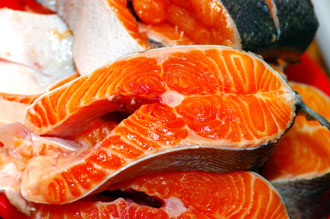
Shrimp, crawfish, crabs, lobsters, krill and other crustaceans are high in astaxanthin. Wild salmon also has high levels of astaxanthin. It is also found in trout.

Commercially produced astaxanthin may be derived from natural sources, such as the microalgae Haematococcus pluvialis, which is the primary natural source, or the pink yeast Xanthophyllomyces dendrorhous. It may also be extracted from byproducts of crustaceans such as krill and shrimp. It also can be chemically synthesized.


The secret that makes astaxanthin such an potent antioxidant is that it is both fat soluble and water soluble.  Most antioxidants are either one or the other, which causes some to be better for your heart, some for your eyes, some for your immune system, etc.  So this antioxidant can go anywhere in your body, and can even go to areas of the body where others can't.  Astaxanthin has up to 500 times the antioxidant power of vitamin E, and 6,000 times stronger than vitamin C.

Though astaxanthin is a carotenoid, like beta-carotene, lutein, and canthaxanthin, its unique structure allows it to work differently than the other carotenoids.  Astaxanthin is a powerful anti-inflammatory, acting on at least 5 inflammatory pathways, and can handle far more free radicals at any given time than other antioxidants.
 
The combination of its high-potency antioxidant and anti-inflammatory properties allows it to address a vast array of health concerns, including joint problems such as rheumatoid arthritis, carpal tunnel syndrome and tennis elbow; protection from UV radiation, improving skin health; improved athletic performance; heart health; brain health, including protection against age-related dementia; and protection against age-related macular degeneration—the most common cause of blindness in the US.
 
 
Over the last few years, there have been at least 17 studies on brain health showing that astaxanthin protects neurons, and can slow the effects of age-related cognitive decline, as well as decline in psychomotor functions.  Studies have also shown that it improves blood flow and decreases blood pressure. It’s very beneficial to your heart’s mitochondria membranes, and can have a positive effect on blood chemistry, increasing HDL (the good cholesterol), and decreasing triglycerides.
There seems to be no or very little toxicity associated with astaxanthin.  “We really have not seen any kind of adverse reactions or negative effects on people taking astaxanthin,” Dr. Cysewski, an expert on astaxanthin, says. “There have been some acute toxicity studies done [with] as high as 50 or 75 milligrams dosage per day. No bad effects.”
 
The most common doses are 2-4 mg per day, though some with chronic inflammation may choose to go higher.
 
We are very excited to announce the release of our "New" SuperMulti Plus.  We have added 3 mg. of astaxanthin to each serving to create a supreme preventative and anti-aging supplement.  Besides adding astaxanthin, we have also added lutein and zeaxanthin for added eye protection, lycopene for added prostate protection (don't worry ladies, it also has health benefits for you as well), and grape seed extract and CoQ 10 for added heart protection.  We also increased the Vitamin D from 1000 to 2000 IU, and doubled the amount of Vitamin K.
 
This is added to the already potent ingredients for bone health, tissue health, high level antioxidant power, high levels of B-vitamins, and good levels of minerals and trace minerals.
 
Our patients keep telling us that once they use SuperMulti Plus they can't use other multivitamins because they don't feel as well.  Many tell us that they never could tell any difference using any other multi, but they can with SuperMulti Plus.  Now with the new ingredients our SuperMulti Plus will be that much more powerful.  And the best is the price, which we have kept below $25, and with multiple purchases the price is even lower.
 
The goal of creating this supplement was to give a high quality, high potency vitamin at a reasonable cost that most people could afford.  We have worked very hard to find a manufacturer that uses high quality ingredients while keeping the cost down.  The ingredients in this cover a multivitamin, calcium/magnesium supplement, B-complex 50, Vitamin D 2,000 IU, Vitamin C with bioflavinoids, Trace Minerals, Eye supplements, antioxidants and carotenoids.  Buying all of this separate would be much over $100.  Now you can afford to maintain your health for less than $25 a month!
 
To purchase our new SuperMulti Plus go to www.springtreehealth.com.
 
Until we meet again,
Dr. Judi